Introduction
In the globe of emergency situation medical response, the capability to act promptly and efficiently can suggest the difference in between life and fatality. One of the most crucial tools in this Click for source world is the Automated External Defibrillator (AED). Public recognition on defibrillator use is important, as it encourages individuals to act throughout cardiac emergencies. This article will check out numerous aspects of AEDs, consisting of standard vs sophisticated life assistance, healthcare facility codes and procedures, and the relevance of public defibrillator usage. Let's explore just how we can make a difference through education and learning and preparedness.
Public Understanding on Defibrillator Use: Making a Difference
Understanding just how to make use of a defibrillator can be a game-changer in an emergency situation. Yearly, thousands die from unexpected heart attack (SCA), but with appropriate training and understanding, numerous lives might be conserved.
What is an AED?
An Automated External Defibrillator (AED) is a mobile device that can assess the heart's rhythm and deliver an electric shock if necessary. This shock can aid re-establish an efficient rhythm in cases of SCA.
Why Public Understanding Matters
- Increased Survival Rates: Researches reveal that immediate use of an AED can substantially increase survival rates. Empowerment: Knowledge minimizes fear; understanding just how to use these tools equips spectators to act. Community Preparedness: Communities that are educated about AEDs create safer environments.
Basic vs Advanced Life Support: A Relative Overview
When discussing defibrillation, it's crucial to separate in between basic life support (BLS) and advanced life support (ALS).
Basic Life Assistance (BLS)
BLS describes the preliminary actions taken by nonprofessionals or very first responders in situation of a heart attack:
- Checking responsiveness Identifying no breathing Performing CPR
BLS concentrates on maintaining blood circulation until advanced clinical assistance arrives.
Advanced Life Assistance (ALS)
ALS includes extra intricate treatments usually performed by trained experts:
- Administration of medications Advanced air passage management Use of sophisticated monitoring equipment
While BLS is important in the very early minutes adhering to cardiac arrest, ALS takes over CPR Training classes in Sydney as soon as educated employees arrive.

Steps for Using an AED Safely
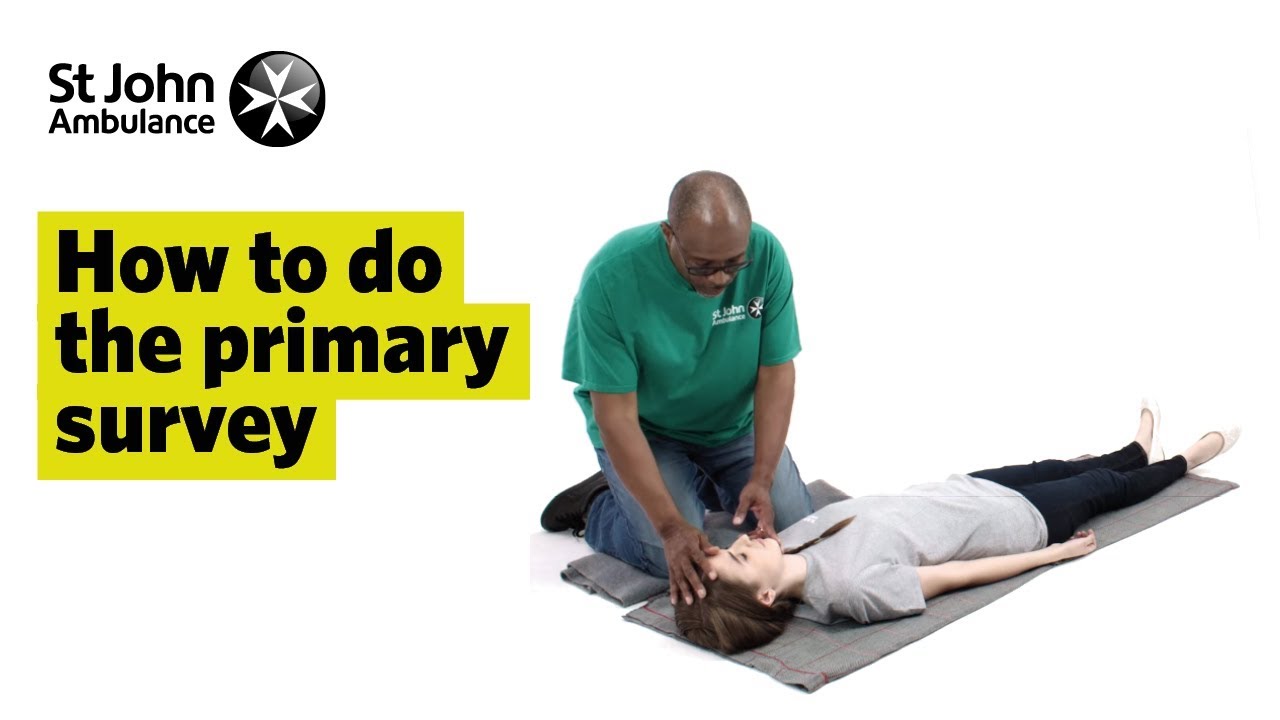
Call Emergency situation Services: Prior to utilizing an AED, ensure that emergency situation solutions have actually been contacted. Check Responsiveness: Carefully tap the person and yell to see if they respond. Identify No Breathing: Look for breast rise or pay attention for breath sounds. Retrieve the AED: Obtain the closest AED while evaluating the casualty. Turn On the AED: Comply with voice motivates as you affix pads to the chest. Stand Clear: Ensure every person is away from the client while examining heart rhythms. Deliver Shock If Advised: If motivated by the device, press the shock button.Maintaining Calmness Throughout Emergencies
It's vital for spectators to stay calm throughout emergencies. Preserving composure not only assists you believe plainly however additionally motivates others around you to do so as well.
Hospital Codes and Protocols
Once emergency situation services arrive, they follow well established healthcare facility codes and methods:
Common Healthcare facility Codes Related to Cardiac Arrest
|Code|Summary|| ------|------------------------------|| Blue|Heart attack|| Red|Fire Emergency|| Yellow|Internal Emergency|
These codes simplify communication among healthcare providers so they can respond swiftly.
Protocols Complying with AED Use
After using an AED:
- Document details concerning its usage Hand over any info gathered from your assessment Stay offered for more wondering about by medical professionals
Public Defibrillator Usage: Enhancing Accessibility
The placement of public accessibility defibrillators is key in boosting community security:
Where Are They Located?
Public gain access to defibrillators are commonly located in:
- Shopping malls Airports Schools
Awareness campaigns ought to inform residents concerning their locations.
Why Area Training Is Essential
Training sessions must be arranged regularly to ensure neighborhood participants know how to run these devices effectively.
Statistics That Matter
Studies show neighborhoods with prevalent access to AEDs dramatically minimize casualty rates related to abrupt cardiac arrest.
Importance of BLS Qualification in Communities
Obtaining BLS accreditation enhances area strength against heart emergency situations:
Benefits of BLS Certification
Increased possibility of instant reaction during emergencies Enhanced understanding of standard lifesaving techniques Improved confidence among community membersMany organizations supply BLS accreditation courses, making it obtainable for every person thinking about discovering lifesaving skills.
Identifying No Breathing: Secret Indicators
Recognizing when someone isn't breathing can save precious time:
Signs Suggesting No Breathing
Absence of breast increase or loss No audible breath sounds Cyanosis or bluish tinting around lips or fingertipsUnderstanding these indicators makes it possible for quicker action when seconds count.
Taking Turns on Compressions During CPR
Effective CPR needs endurance; therefore taking turns is a good idea:
How Frequently Should You Switch?
Compression cycles should preferably last no more than 2 mins before switching rescuers-- this aids keep top quality compressions without tiredness setting in.
Strategies for Effective Teamwork
Using verbal cues like "changing" can help promote smooth shifts without shedding rhythm.
Compression Depth and Rate Considerations
Proper compression deepness and price are paramount for efficient CPR:
Recommended Compression Depth
For adults:
- Compress at the very least 2 inches deep however not surpassing 2.4 inches
For kids:
- Compress roughly 1/3 deepness of their chest
Optimal Compression Rate
Aim for a price of 100-- 120 compressions per minute-- this straightens with keeping sufficient blood flow during CPR efforts.
FAQ Section
1. What should I do if I find somebody unresponsive?
Call emergency situation services quickly while inspecting their responsiveness and breathing prior to launching CPR if necessary.
2. Just how do I know if I require to make use of an AED?
If somebody is unresponsive and not breathing normally, making use of an AED might be vital; turn it on after asking for help.
3. Can anyone make use of an AED?
Yes! Most public access AEDs are designed for layman use; they offer detailed instructions with voice prompts.
4. What takes place if I give a shock when it's not needed?
Modern AEDs just advise shocks when required; providing unnecessary shocks seldom postures harm yet may postpone treatment if done excessively without professional intervention.
5. How frequently ought to community participants revitalize their CPR skills?
It's usually advised every 2 years; refresher courses ensure your skills remain current as standards advance over time!
6. Are there legal securities completely Samaritans who help during emergencies?
Yes! Lots of territories have Good Samaritan legislations securing individuals that give help during emergency situations from liability as long as their activities are sensible under circumstances!

Conclusion
Public recognition on defibrillator usage is not simply beneficial-- it's crucial in conserving lives during cardiac emergency situations! By gearing up communities with understanding on basic vs innovative life support strategies, acknowledging indicators such as no breathing, preserving calmness under pressure, and guaranteeing accessibility through public defibrillator placements, we develop more secure environments where people feel equipped to act emphatically when every second counts!
Investing time right into learning about these vital devices will definitely lead us towards making significant distinctions within our neighborhoods-- due to the fact that every heartbeat matters!
First Aid Pro is one of Sydney’s leading providers of accredited CPR and first aid courses. Established in 2012, our nationally registered training organisation (RTO) has equipped over 2.6 million Australians with essential life-saving skills through our experienced team of over 110 expert trainers. Conveniently located in the heart of Sydney at Chambers Arcade Level 15, Suite 1501/370 Pitt Street, Sydney NSW 2000, we offer top-quality, nationally accredited CPR and first aid training sessions tailored to your needs—whether for workplace requirements, career advancement, or personal safety. From childcare-specific first aid to advanced first aid and resuscitation, we’ve got you covered! Secure your Sydney first aid course or CPR training with us and build the confidence to handle emergencies with a trusted Sydney first aid provider. Take the first step towards becoming a skilled and capable first aider with First Aid Pro today! Call today on 08 7120 2570.